
Part 1 · 1.7
Your buying checklist
By THE HERB ITSELF · Updated
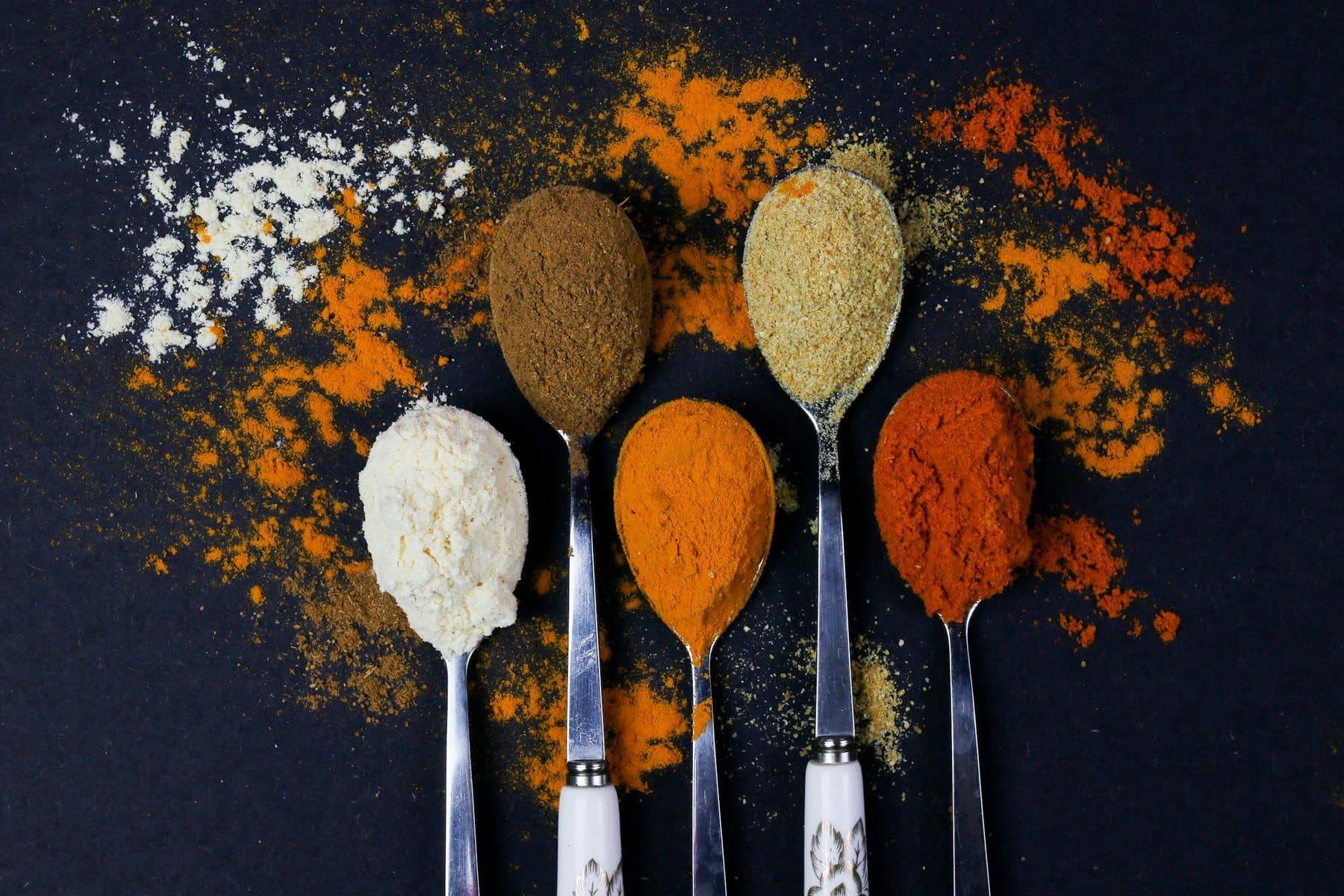
Seven questions for any herb, in any shop or online. Each links to the chapter that explains it.
- What is the botanical name? Two words in Latin. A common name can mean two or three plants. One name, many plants.
- Which part of the plant? Root, leaf, bark, heartwood or flower. A cheaper part is an easy swap. The part matters.
- Can I buy it whole? Threads, chips and pieces can be looked at. Powder is where fillers and dyes hide. Eight ways a herb gets faked.
- Where does the colour come from? It should come from the plant, not from added dye.
- Is there a lab report for this batch? It should say what the plant is, how that was tested, and what else was checked. How labs check.
- Does the label say everything? Botanical name, part, amount, batch code, packing date, licence. Reading a herb label.
- Who is selling it? In one Indian study, every product found with hidden medicines came from a practitioner, not a manufacturer or chemist shop (Savaliya et al., 2009). Buy from someone who shows their labels and lab reports.
Seven questions · screenshot this
1What is the botanical name?
2Which part of the plant?
3Can I buy it whole?
4Where does the colour come from?
5Is there a lab report for this batch?
6Does the label say everything?
7Who is selling it?
Pregnant, on regular medicines, or living with a liver condition? Talk to your doctor before taking any herb as a remedy. Some herbs in this guide carry their own cautions; see the “Before you take it” section of each herb.
This guide is for buying well. It is not medical advice. If you are pregnant, take regular medicines or have a health condition, talk to your doctor before taking any herb as a remedy.