
Part 1 · 1.3
One name, many plants
By THE HERB ITSELF · Updated
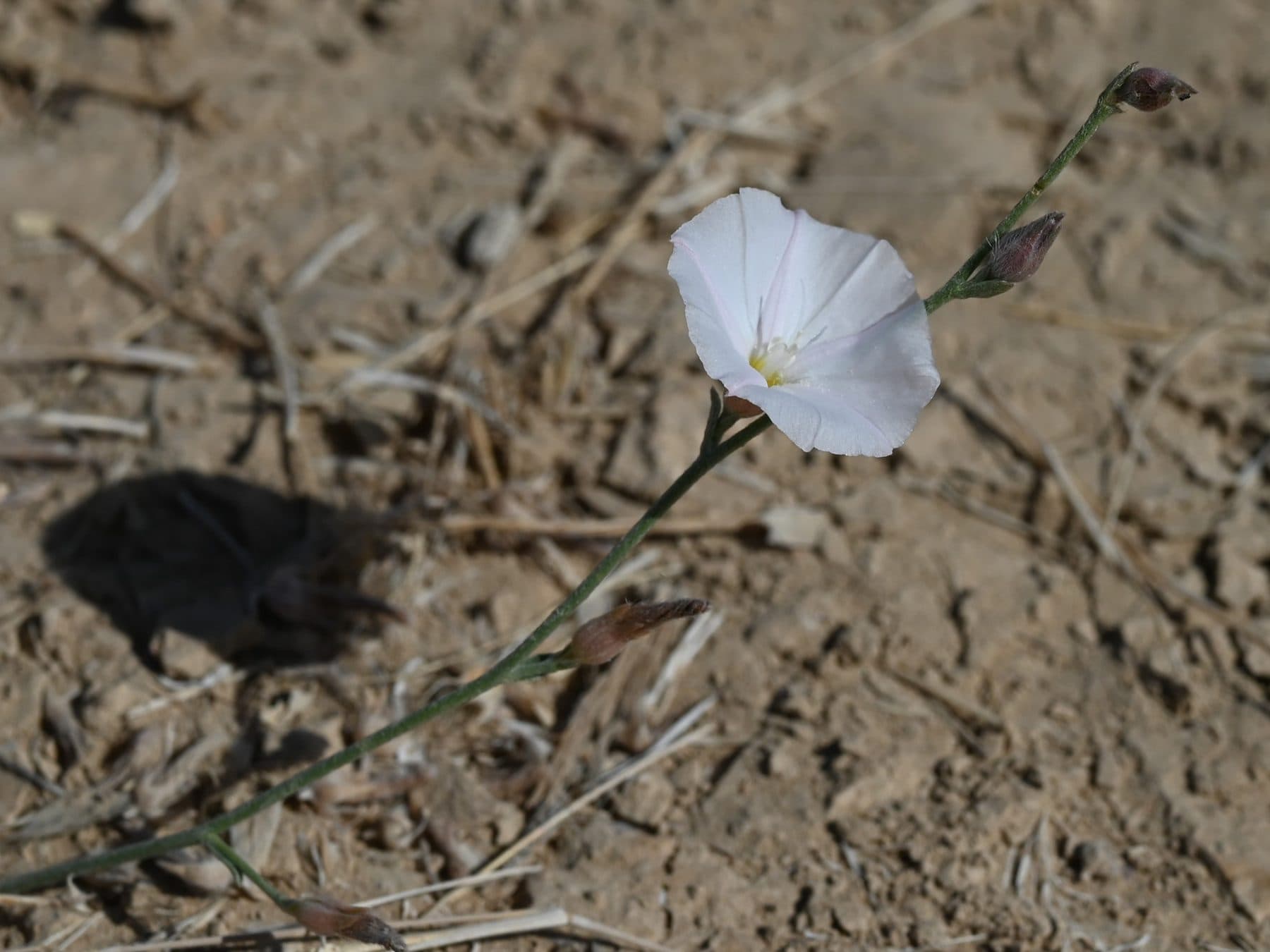
Convolvulus prostratus
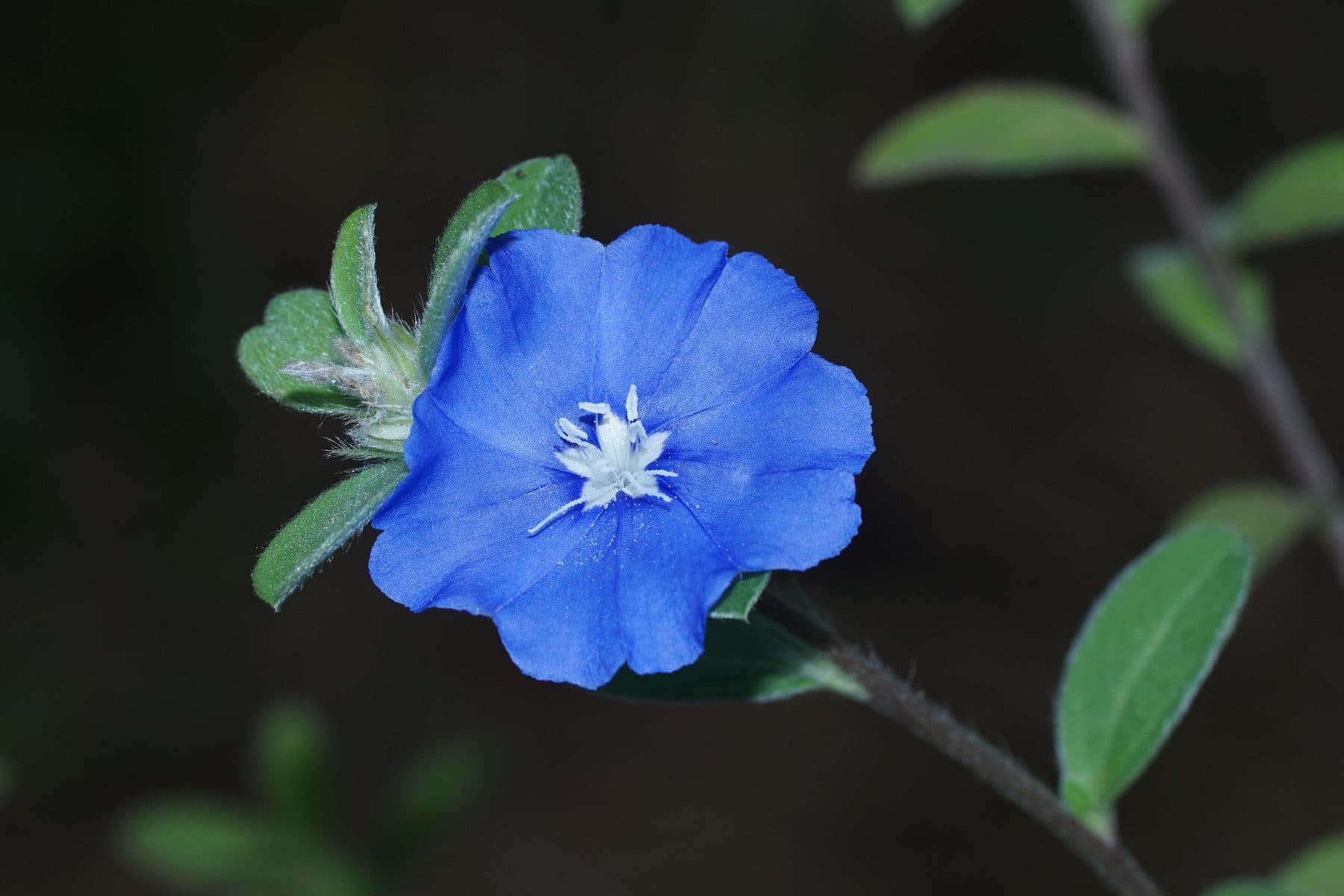
Evolvulus alsinoides
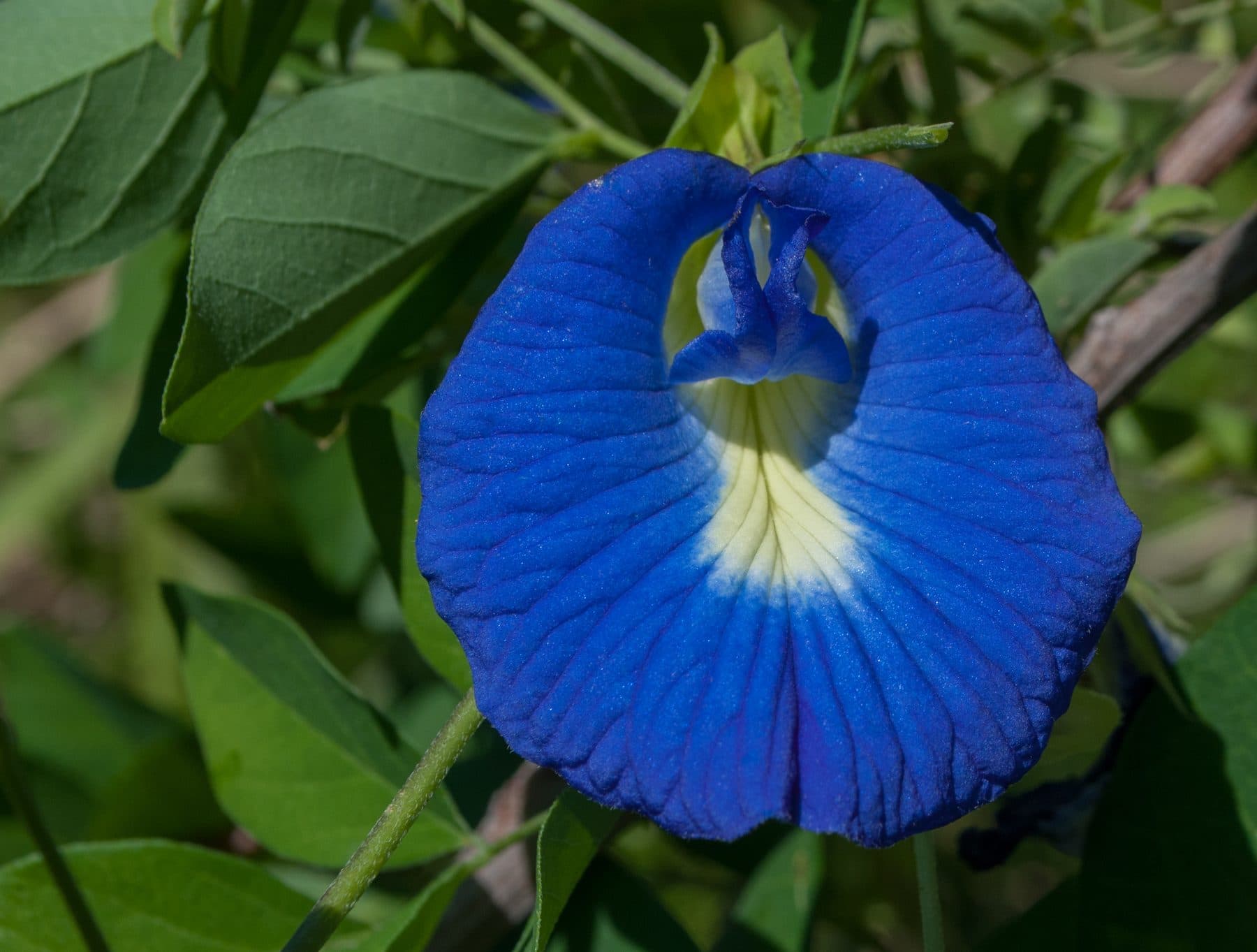
Clitoria ternatea
Common names travel. The same word can mean a different plant in the next state, and a seller can be honest about the name while selling the wrong plant.
One name in the shop, several plants in the pack
Each pill is a different plant, with different chemistry. Only the botanical name tells them apart.
The same name, different plants
| Sold as | Can be |
|---|---|
| Brahmi | Bacopa monnieri, or Centella asiatica (Shah et al., 2023) |
| Shankhpushpi | Convolvulus pluricaulis, Evolvulus alsinoides, or butterfly pea (Clitoria ternatea) (Malik et al., 2011) |
| Pathimukham | Sappan wood (Caesalpinia sappan), or Himalayan cherry wood (Prunus cerasoides) (Down To Earth, 2020) |
| Giloy | Tinospora cordifolia, with the lookalike Tinospora crispa sold beside it (Ministry of Ayush, 2021) |
| Hibiscus | Roselle (Hibiscus sabdariffa), or the garden flower (Hibiscus rosa-sinensis) |
Different plants have different chemistry. When researchers compared the three shankhpushpi plants, each behaved differently in the lab (Malik et al., 2011).
The fix: the botanical name
Every plant has one botanical name: two words in Latin, the genus and the species, like Caesalpinia sappan. It is the same in every language and every state. If a pack only gives the common name, ask the maker for the botanical one. Indian law already asks for it on Ayurvedic labels; see reading a herb label.
Names do change. Science sometimes renames a plant, so you may see two: sappan wood is also listed as Biancaea sappan, and shankhpushpi’s Convolvulus pluricaulis as Convolvulus prostratus. Both names in each pair mean the same plant.
The part matters too
The right plant can still be the wrong product. Root, leaf, bark, heartwood, flower: each part has its own chemistry, and a cheaper part is an easy swap.
- Ashwagandha: India now allows only the root in foods and supplements, because leaves were being used (FSSAI, 2026).
- Sappan wood: the drinking-water part is the red heartwood, but some mixes use the bark (Down To Earth, 2020).
- Saffron: the red stigma is the spice; other parts of the flower get mixed in (Heyrani et al., 2025).
A good label names the part. If it doesn’t, ask.
This guide is for buying well. It is not medical advice. If you are pregnant, take regular medicines or have a health condition, talk to your doctor before taking any herb as a remedy.