
Part 1 · 1.6
Reading a herb label
By THE HERB ITSELF · Updated
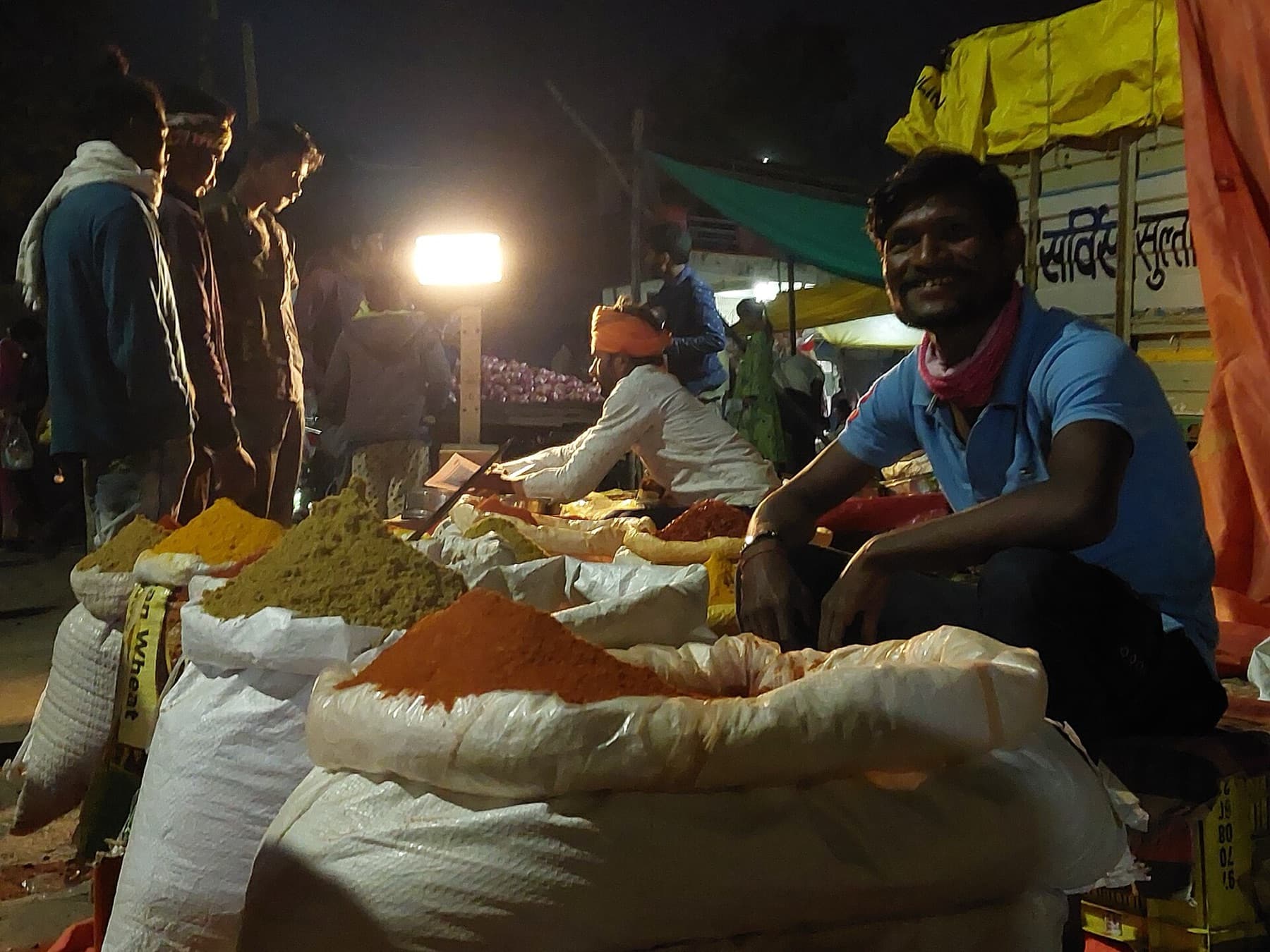
A herb label can answer most of your questions, if you know what it should say.
“Ayurvedic” can mean two things
Under India’s Drugs and Cosmetics Act, 1940, a classical Ayurvedic medicine is made exactly to a recipe in the authoritative old texts listed in the Act. A proprietary medicine is a new mix that only uses ingredients from those texts. Both can say “Ayurvedic” on the pack (Sections 3(a) and 3(h), Drugs and Cosmetics Act).
What the label should show
The Drugs and Cosmetics Rules, 1945, ask Ayurvedic labels to list each ingredient with (Rule 161, Drugs and Cosmetics Rules):
- its botanical name,
- the part of the plant used,
- and the amount.
A classical medicine should also name the text it follows.
What a good label tells you
Example
Brahmi
1Bacopa monnieri
2Dried aerial parts, cut
3Net weight 100 g · 100% brahmi
4Batch 0000 · Packed 01/2027
5Licence no. 00000000000000
What we look for on any herb pack
- The botanical name, not just the common one. Why.
- The part: root, leaf, bark, heartwood, flower.
- A batch or lot code and a packing date, so a lab report can be matched to the pack in your hand.
- A licence number for the maker or seller.
Missing any of these? Ask the maker before you buy.
This guide is for buying well. It is not medical advice. If you are pregnant, take regular medicines or have a health condition, talk to your doctor before taking any herb as a remedy.